Services
Commercial real estate services
Five kinds of work, for businesses that lease space, investors who buy it and owners who let or sell it. Each one lists what is included and what is not, so you can tell whether it fits before you ask.

For occupiers
Office and retail leasing
Tenant representation, meaning Lars Group acts for you, the business taking the space, not for the landlord. The work runs from a written requirement to an agreed term sheet for an office, a shop or a showroom.
Who it is for
For businesses leasing office floors, managed offices, high-street shops or showrooms.
What is included
- A written requirement: area, headcount or seats, monthly budget, locations and the date you need to move in.
- A shortlist with every rent quoted per sq ft per month. Each area names its measure: carpet area (the usable floor area inside the walls), built-up area (carpet area plus wall thickness and balconies) or super built-up area (built-up area plus a share of lobbies, lifts and other common areas).
- Site visits arranged with landlords or their agents, with the questions to ask at each one.
- A side-by-side comparison of offers: rent, security deposit, lock-in (a period in which the lease cannot be ended early), escalation (a scheduled rent increase) and CAM charges (common area maintenance, the charge for running the shared parts of the building).
- Negotiation of the term sheet (a short summary of the agreed terms) before your advocate drafts the lease.
Not included
And who to ask instead.
- Drafting or vetting the lease deed. Your advocate does this; Lars Group briefs them on the agreed terms.
- Interior design and fit-out. A design-and-build contractor quotes for this once the space is fixed.
- Homes and flats. Lars Group works on commercial property only, so a residential broker is the better contact.
Related reading
- Carpet, built-up and super built-up area explainedExplainer · sample article
- How to read a commercial lease in IndiaGuide · sample article

For investors
Investment and pre‑leased acquisitions
Buying commercial property for rental income, usually pre-leased: already let to a tenant, so you buy the building with the lease and its rent in place. Lars Group works out the yield (a year's rent as a percentage of the price) from the lease itself.
Who it is for
For individuals, family offices and companies buying offices, shops or warehouses to hold for rent.
What is included
- A search matched to your budget, cities and the yield you need, with the lease terms of each option set out in writing.
- The yield calculated in front of you: annual rent, less the costs the owner pays, divided by the full price including stamp duty and registration.
- A reading of the lease: the years left to run, the tenant's lock-in and exit clauses, escalation, and who pays property tax and maintenance.
- A look at the tenant from public records, such as company filings, and at what happens to the income if the tenant leaves.
- Negotiation of price and terms, and coordination with your advocate up to registration.
Not included
And who to ask instead.
- Advice on whether property suits your wider portfolio or tax position. An investment adviser registered with SEBI (the securities regulator) or your chartered accountant can advise on that.
- Units in REITs (listed trusts that own rented property) or fractional-ownership platforms. These are bought through a stockbroker or through the platform itself.
- A promise that the rent will continue. Nobody can guarantee it: the lease and the tenant are what you are buying, and both are checked before you commit.
Related reading
- Pre-leased property: reading the rent roll and yieldGuide · sample article
- Due diligence checklist for commercial property in IndiaChecklist · sample article
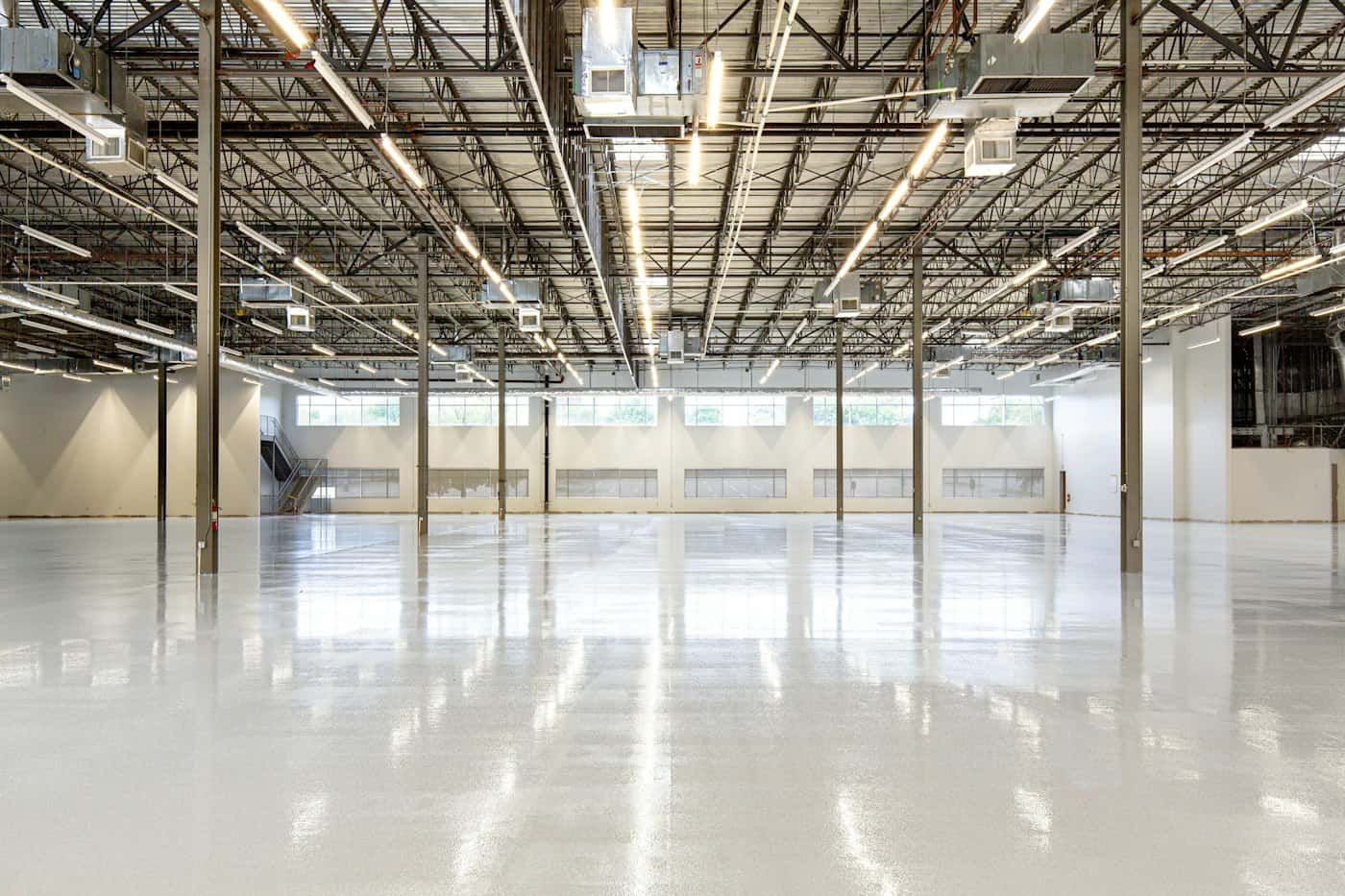
For industry and logistics
Warehousing and industrial site selection
Finding a warehouse, a factory building or land for one, against a specification written before the search starts. Every site is compared with that specification line by line.
Who it is for
For manufacturers, logistics operators and retailers setting up or moving storage and production.
What is included
- A written specification: built-up area, clear height (the usable height from the floor to the lowest part of the roof structure), floor load, docks, power in kVA (the electrical load the supply can carry) and truck access.
- A search across industrial corridors and parks, including built-to-suit options, where a developer builds to your specification and leases the building to you.
- Checks that the zoning allows your activity, and that the building has its occupancy certificate (the local authority's permission to use it) and fire no-objection certificate.
- A comparison of total occupancy cost: rent, deposit, CAM charges, power and the cost of any work the landlord will not do.
- Negotiation of the lease, including lock-in and escalation, through to handover.
Not included
And who to ask instead.
- Factory licences and pollution control consents for your own process. Your compliance consultant or plant team applies for these; Lars Group checks the building's side.
- Supply-chain network design, such as deciding which city a warehouse should serve. A logistics consultant models that; Lars Group then searches the chosen area.
- Structural certification of floors, roofs or cranes. A licensed structural engineer signs that.
Related reading
- Due diligence checklist for commercial property in IndiaChecklist · sample article
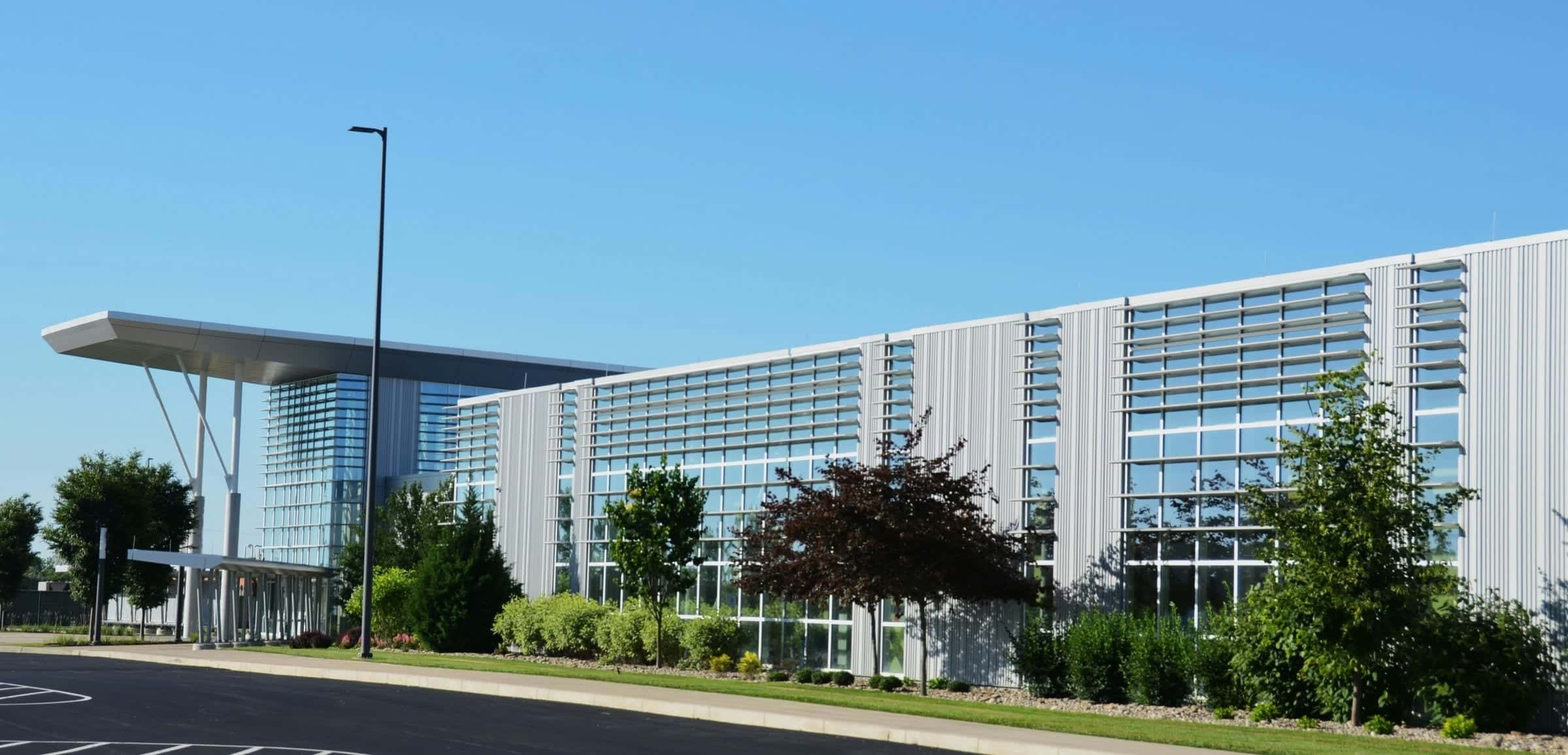
For owners
Selling or leasing out your property
Owner representation, meaning Lars Group acts for you as the owner of an office, shop, warehouse or plot. It finds a buyer or tenant on terms you have set in writing.
Who it is for
For owners of commercial property that is empty, about to fall vacant or up for sale.
What is included
- An asking rent or price with its basis: the rate, the area measure it applies to and the comparable listings it was checked against.
- The documents buyers and tenants ask for, gathered before marketing starts: title deeds, approved plans, occupancy certificate and property tax receipts.
- A listing that states measured areas, what the price excludes and the condition of the space. For example: bare shell (the structure with no floor finishes, ceilings or interiors) or warm shell (floors, walls and services in place, no interiors).
- Enquiries screened against your terms before any visit is arranged.
- Negotiation, and coordination with both sides' advocates up to signing or registration.
Not included
And who to ask instead.
- Valuation reports for banks, courts or tax. These need a registered valuer.
- A guaranteed price or time to let. The market sets both; Lars Group shows you the evidence behind the asking figure.
- Property management after the deal, such as rent collection and repairs. A facility management firm handles this.

Before you sign
Due diligence and documentation support
Due diligence is the checking done before you sign: who owns the property, what is approved, what the area really is and what the terms commit you to. Lars Group runs the checks and prepares the file your advocate needs.
Who it is for
For buyers and tenants who have already found a property, with or without Lars Group, and want it checked before committing.
What is included
- A document checklist for your property type and deal, with follow-up until each item arrives from the other side.
- The title chain (the documents showing how ownership passed to the present owner), with any gaps flagged for your advocate.
- The encumbrance certificate (the registrar's record of sales and mortgages on the property), checked for loans and claims.
- Approvals checked against the property: the approved building plan, the occupancy certificate and, for a project still being built, its registration with the state RERA (the real estate regulator).
- The quoted area compared with the approved plan, stating which measure each figure uses.
- A list of the full cost of the deal, including stamp duty, registration fees, deposits and one-off charges.
Not included
And who to ask instead.
- A legal opinion on title. An advocate gives this; Lars Group prepares the file for them.
- Tax structuring, GST or TDS (tax deducted at source) advice. A chartered accountant advises on these.
- Building condition or structural surveys. A structural engineer or building surveyor carries these out.
Related reading
- Carpet, built-up and super built-up area explainedExplainer · sample article
- How to read a commercial lease in IndiaGuide · sample article
- Pre-leased property: reading the rent roll and yieldGuide · sample article
- Due diligence checklist for commercial property in IndiaChecklist · sample article
Due diligence
What gets checked before you commit
Whichever service you use, these checks come before anything is signed. They are the core of due diligence: the checking done before you sign.
Sample article: Due diligence checklist for commercial property in India
Ownership and title
Who owns the property, how ownership reached them and whether the person signing may sign. Your advocate gives the formal title opinion.
Charges and disputes
Mortgages, liens or court cases recorded against the property, read from the encumbrance certificate and public records.
Approvals
The approved building plan and occupancy certificate and, for a project still being built, its registration with the state RERA.
Land use
Whether the zoning allows your use: office, shop, warehouse or factory. For land, whether it has been converted to non-agricultural use.
Area and its measure
Which measure each quoted area uses, carpet, built-up or super built-up, and whether the figure matches the approved plan.
Money and terms
Rent or price with its basis, deposit, lock-in, escalation, CAM charges, and any unpaid property tax or maintenance dues.
The checks are also offered on their own, for a property you found yourself: see due diligence and documentation support.
Talk through your requirement
Request a callback for a day and time window that suits you, or send your requirement in writing. You see a confirmation only once your request has been saved.
Request a callback